PANDORAS
Sent out from Paris
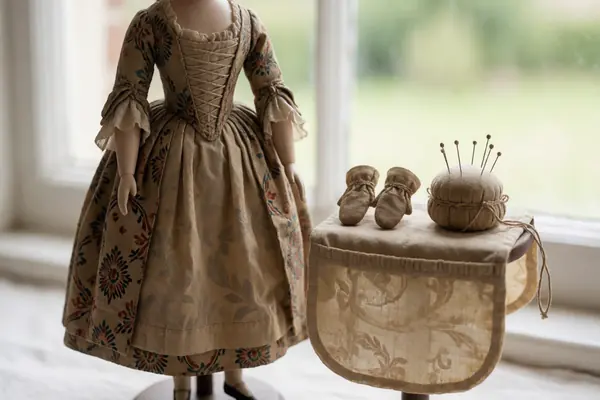
The V&A says Pandora dolls were used before fashion magazines and models: dressmakers showed the latest styles on them and customers chose a style and a fabric.
Compare the dolls doodlebarbie
Start
A SHORT HISTORY FROM MUSEUM RECORDS
Long before fashion magazines, a doll was the newsletter.
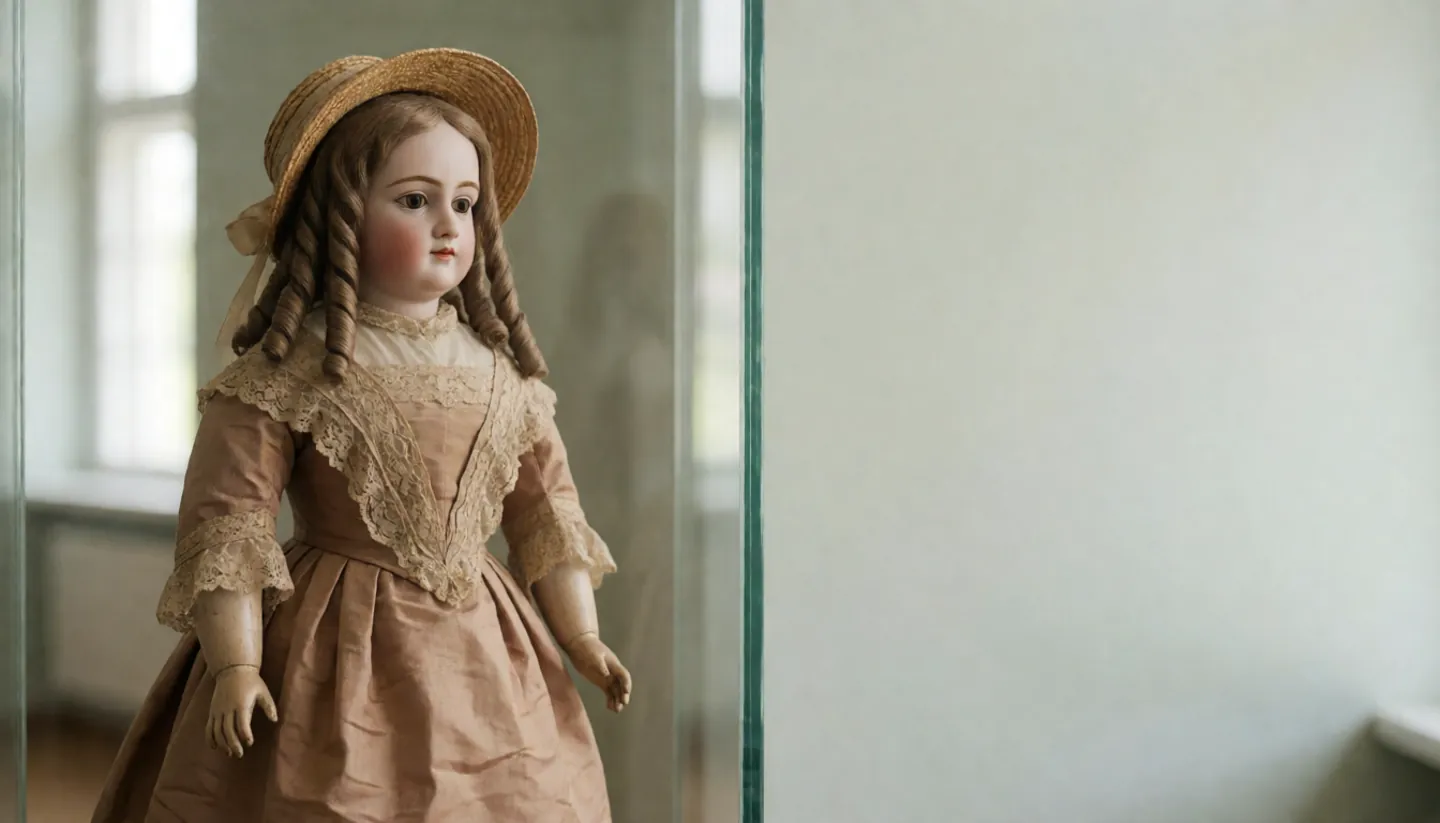
Dressmakers sent small, fully dressed figures from Paris to show customers what was being worn, down to the stays and the bonnet. This independent guide follows fashion dolls from 18th-century Pandoras to paper dolls and a 1945 touring show, using museum records.
DRESSEDto show, not to play
Meet the dollsKeep in mind
THE SHORT ANSWER
Three kinds of fashion doll
and what museum records say about them.
PANDORAS
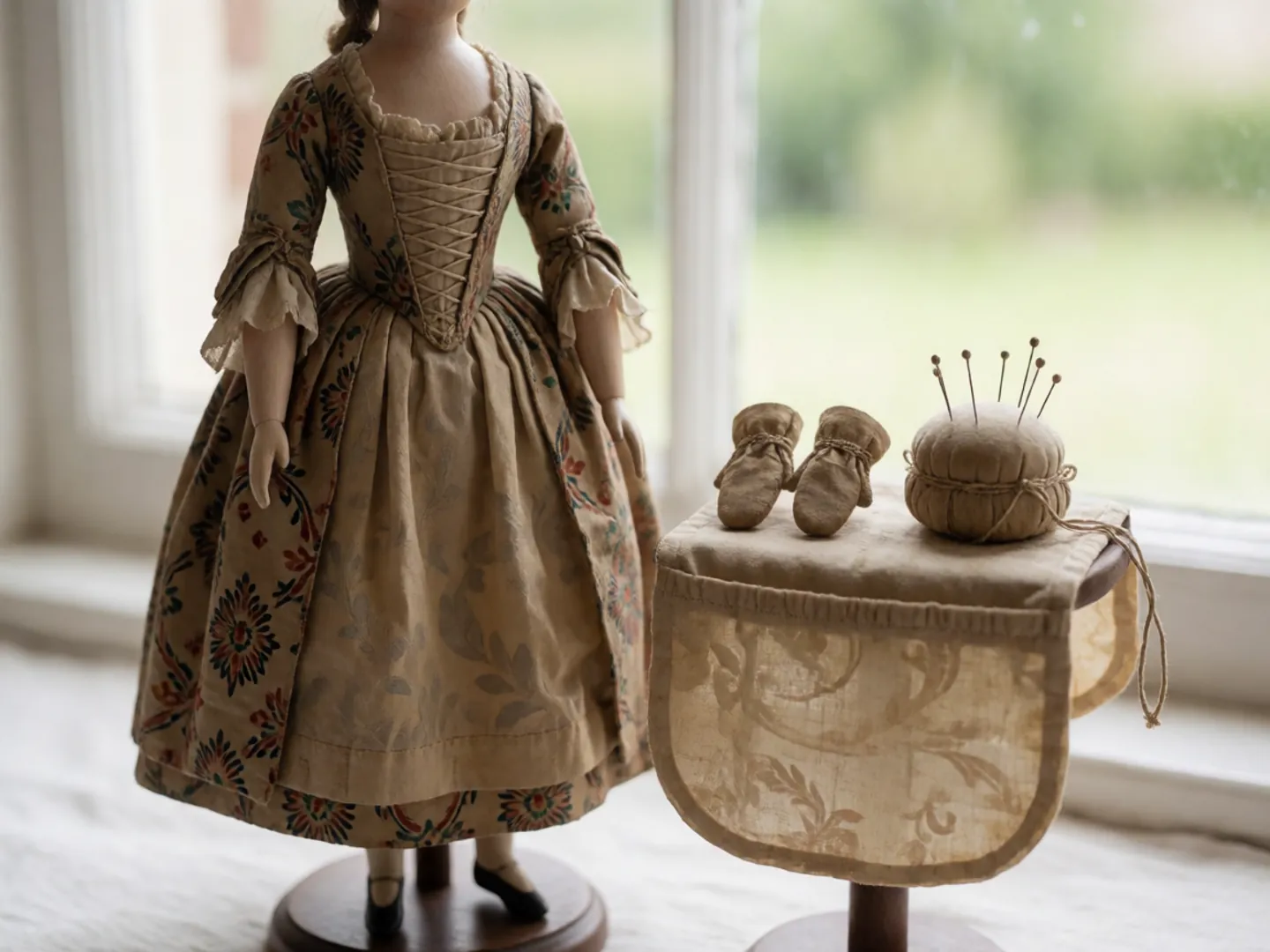
The V&A says Pandora dolls were used before fashion magazines and models: dressmakers showed the latest styles on them and customers chose a style and a fabric.
Compare the dollsPAPER DOLLS
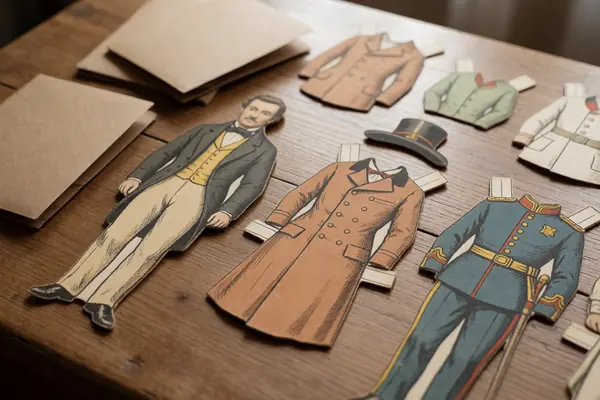
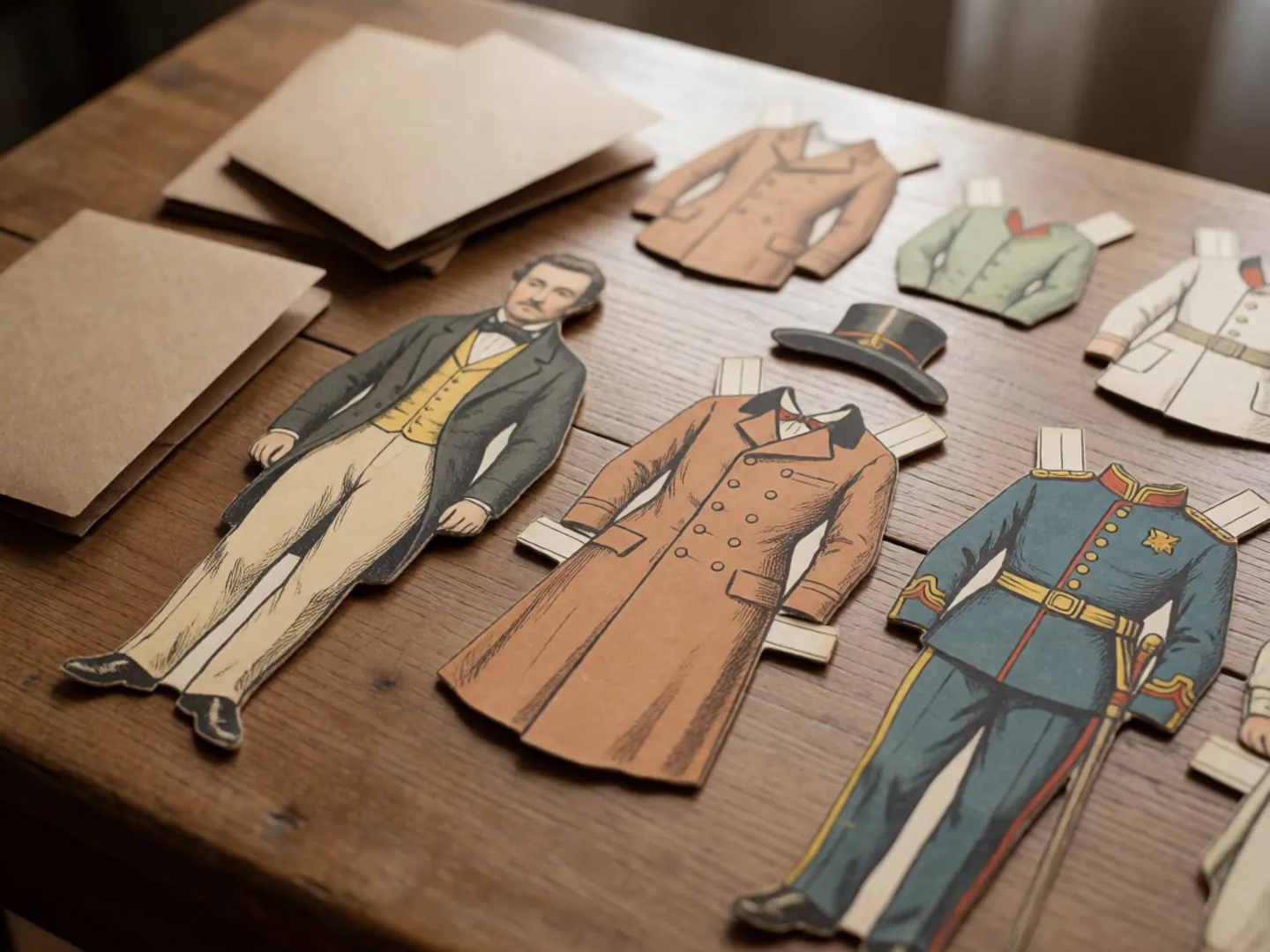
An 1811 London set in the V&A has twelve costumes in eighty-two pieces for one pasteboard figure, with printed directions on how to dress it.
How they workedGROWN-UP DOLLS
The V&A notes that large, elaborate dressed dolls in the 18th century were made for older girls and women, not young children.
See the numbersA QUICK COMPARISON
Pick a doll from the record to see what it was and how it was dressed. The bar shows roughly how large and three-dimensional each one was, from flat paper to a third of life size.
Based on V&A collection records, the Maryhill Museum of Art and a University of Washington casebook. Sizes are as the museums give them.
TWO NUMBERS WORTH KNOWING
In 1945 Paris used dressed figures again
to show its fashions to the world.
237 dolls
Dressed figures in the show
A University of Washington casebook says the show had 237 dolls and 15 sets, about a third of human size, because materials were scarce after the war.
THÉÂTRE DE LA MODE · 1945
100,000 visitors
Visitors when it opened in Paris
The Maryhill Museum of Art says the opening at the Louvre's Museum of Decorative Arts in 1945 drew 100,000 visitors before the show toured Europe and the US in 1946.
OPENING · MARYHILL MUSEUM
The sets were later lost, but the mannequins were saved. Maryhill Museum of Art in Washington State now shows nine rebuilt sets, three at a time.
HOW A FASHION DOLL DID ITS JOB
Museum records describe the same simple routine: a small figure, dressed completely, so a customer could see the whole look before choosing.
Step 1
The V&A's 1835 Pandora wears stays and undergarments under her dress, so every layer of the fashion was shown.
Step 2
Dolls travelled from Paris; the V&A records that they were let through to London even during the Napoleonic Wars.
Step 3
The customer picked the style and the material, and the dressmaker made it up at full size.
Step 4
From the early 1800s, London publishers sold paper figures with outfits to lay on in order, stockings first and coat last.
TWO DOLLS, TWO DRESSES
A University of Washington casebook says two dolls were usually sent: a grand Pandora in court dress and a petite Pandora in everyday dress, each with undergarments, hairstyles and accessories.
It says the wars of the French Republic and Napoleon, and the rise of fashion magazines, contributed to the decline of the travelling dolls. Paper dolls with costumes had appeared by the mid-1700s in Vienna, Berlin, London and Paris.
Questions
The V&A says Pandora was the name given to dolls used as manikins to illustrate current fashions before fashion magazines and models. Dressmakers showed styles on them and customers chose the style and the material.
Not always. The V&A notes that 18th-century dolls as large and elaborate as its 1755-1760 English example were made for the enjoyment of older girls and women, not young children.
A University of Washington casebook says paper dolls with costumes existed from the mid-1700s. The V&A holds London sets from 1810 and 1811 published by S. & J. Fuller.
The V&A records that during the Napoleonic Wars Pandora dolls were allowed through from Paris to London so that English women would know the latest Paris fashions.
A 1945 show of small mannequins dressed by Paris couture houses to revive French fashion after the war. It drew 100,000 visitors in Paris, toured in 1946 and is now at the Maryhill Museum of Art.
Destination
Updated
ABOUT THIS NAME
doodlebarbie.com is part of the DoodleSale portfolio. It isn't in an auction right now, but you can ask about leasing it.